


What Does a Nevada Home Inspection Cover? An Honest Guide for Buyers

Updated: 3 days ago
Most home buyers expect a home inspection to tell them everything about a house. It is a powerful tool, but it has a defined scope. Knowing where the edges are helps you avoid surprises after move-in.
A home inspection is visual and non-invasive
In Nevada, a home inspection is a visual evaluation of the readily accessible parts of a home. Your inspector looks at, and tests where appropriate, the major systems: roof, structure and foundation, electrical, plumbing, heating and cooling, attic, crawlspace and interior. We document what we find with photos in a report you can use to negotiate and plan.

What it is not: a technical teardown. Inspectors do not open walls, remove drywall or dig up the yard.
Some things that surprise buyers
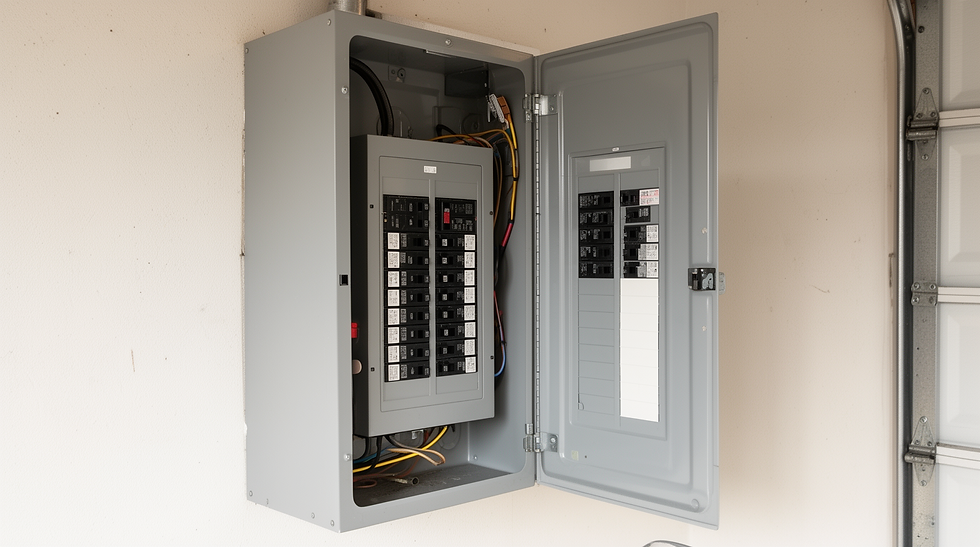
Outlets are sampled, not all tested. Nevada's standards call for testing a representative number of readily accessible receptacles, not every outlet in the house. If an outlet is dead after you move in, a tripped breaker or GFCI is a common cause, and it is worth checking those first.
Personal belongings stay where they are. Inspectors are not permitted to move a seller's furniture, boxes or stored items. In a cluttered or occupied home, areas behind and beneath those items may not be visible. A vacant home gives the most complete inspection.
Homes age. A 40-year-old home will have age-related wear and issues, and an inspection reports on condition at the time of the visit. It cannot predict what will fail next year.
Mold testing is a separate service. A standard inspection is not a mold test. If we see something that looks like it could be mold, we photograph it and note it in the report so you can have it evaluated. When there are moisture issues, odors or health concerns, mold and indoor air quality testing with laboratory analysis is available as its own service.
Specialty items are add-ons. Sewer lines, radon and well water are not part of a standard inspection. We offer each as a separate test, and they are worth considering depending on the property.
How to get the most from your inspection
Be there. Walk through with the inspector and ask questions. It is the best hour you will spend in the buying process.
Read the whole report. Look at the photos and the notes, not just the summary.
Ask about anything that is not listed. If you care about a specific appliance, outlet or feature, tell us before the inspection so we can note it.
Plan for a vacant home when you can. If you are buying an occupied home, expect that some areas will be limited.
Call us with follow-up questions. We are glad to go over the report with you after the inspection, and to explain what we saw.
Why a limited scope is still worth it
An inspection is a snapshot from a trained set of eyes, by someone who has looked at thousands of homes. It finds the things most likely to affect your safety, your budget and your negotiation. Just know its limits going in.
Home Inspection Associates has served Northern Nevada since 2007. Bob Parmenter is one of only 17 Master Inspectors of Structures in Nevada, and our reports are photo-documented and delivered the same day.
Have questions about what is included? We would rather answer it up front. Visit nvinspectors.com to get in touch.
Comments